

Termite Treatment in Rockhampton for Active Termite Problems
We are locally owned and operated in Rockhampton, and our team works with homeowners, buyers, sellers, landlords and property managers across Rockhampton and nearby Central Queensland areas. Termite problems need clear action, not guesswork.
Termite treatment is not one generic spray. The right treatment depends on what we find during inspection, the level of infestation, the construction type, access around the property, and whether your priority is active colony control, perimeter protection, or both.
For some homes, the first step is direct active termite treatment. For others, the better pathway may include liquid barriers, baiting systems, follow-up monitoring, or a staged approach.
We are available Monday to Sunday, 7am to 8pm. Call Insight Termite & Pest Solutions on +61 490 304 848 to talk through what you have found and book an inspection.
Need termite treatment in Rockhampton? Call us on +61 490 304 848 to book an inspection and get clear advice on the right treatment path.
TL;DR
- We provide termite treatment across Rockhampton and nearby areas including Gracemere, Norman Gardens, Frenchville, Koongal, Park Avenue, Port Curtis and Alton Downs.
- Our process starts with a detailed inspection of accessible subfloors, roof voids, interior and exterior areas, plus foundations.
- We use thermal imaging and moisture detection tools where needed to help identify termite activity, damage, and risk conditions.
- Treatment options include liquid termite barriers and termite baiting systems, chosen to suit the property layout, infestation level, and access.
- We provide follow-up visits and monitoring after treatment, so you know what happens next.
- We are locally owned and operated in Rockhampton, with licensed technicians and over a decade of professional pest and termite control experience.
- Call us seven days a week from 7am to 8pm on +61 490 304 848 to arrange an inspection or discuss active termite concerns.
What We Do to Treat Termites Properly
Proper termite treatment starts with a full property assessment. We do not base treatment on one visible patch of damage or a quick look at a single wall. Termites can move through concealed areas, so we need to understand where activity is present and what is allowing it to continue.
Our licensed technicians inspect accessible subfloors, roof voids, interior and exterior areas, and around foundations. We look for activity, damage, entry points, moisture conditions, timber contact with soil, and other risk factors that can increase termite pressure around Rockhampton homes.
Where needed, we use thermal imaging and moisture detection tools to help locate conditions linked to termite activity. These tools do not replace a technician’s judgement, but they help us assess hidden risk more accurately.
If you are booking a termite inspection in Rockhampton, we provide clear, detailed digital reports with findings, recommendations, photographs where necessary, and practical next steps.
Active termite treatment
Active termite treatment is used when termites are currently present. The aim is to deal with live activity, assess how far it may have spread, and stop homeowners from relying on surface-level advice.
This is different from general prevention. Active termites need careful handling, because disturbing them before inspection can change their movement and make assessment harder.
Liquid termite barriers
Liquid termite barriers are designed to create a treated zone around the structure where suitable access and construction conditions allow. We use safe, effective termiticides and up-to-date application techniques to support long-term protection.
A barrier may be recommended where perimeter protection is practical and the property layout allows a continuous treated zone.
Termite baiting systems
Termite baiting systems may suit properties where access is limited, risk areas are spread out, or ongoing monitoring is important. Baiting can also form part of a staged strategy where active termites need to be managed before longer-term protection is finalised.
Follow-up monitoring and reporting
Many Rockhampton homes need both current activity addressed and future risk reduced. After treatment, we explain what has been done, what needs to be monitored, and what changes may help reduce termite pressure.
Our digital reports keep the findings clear, so you are not left guessing.
Signs You Need Active Termite Treatment, Not Just Advice
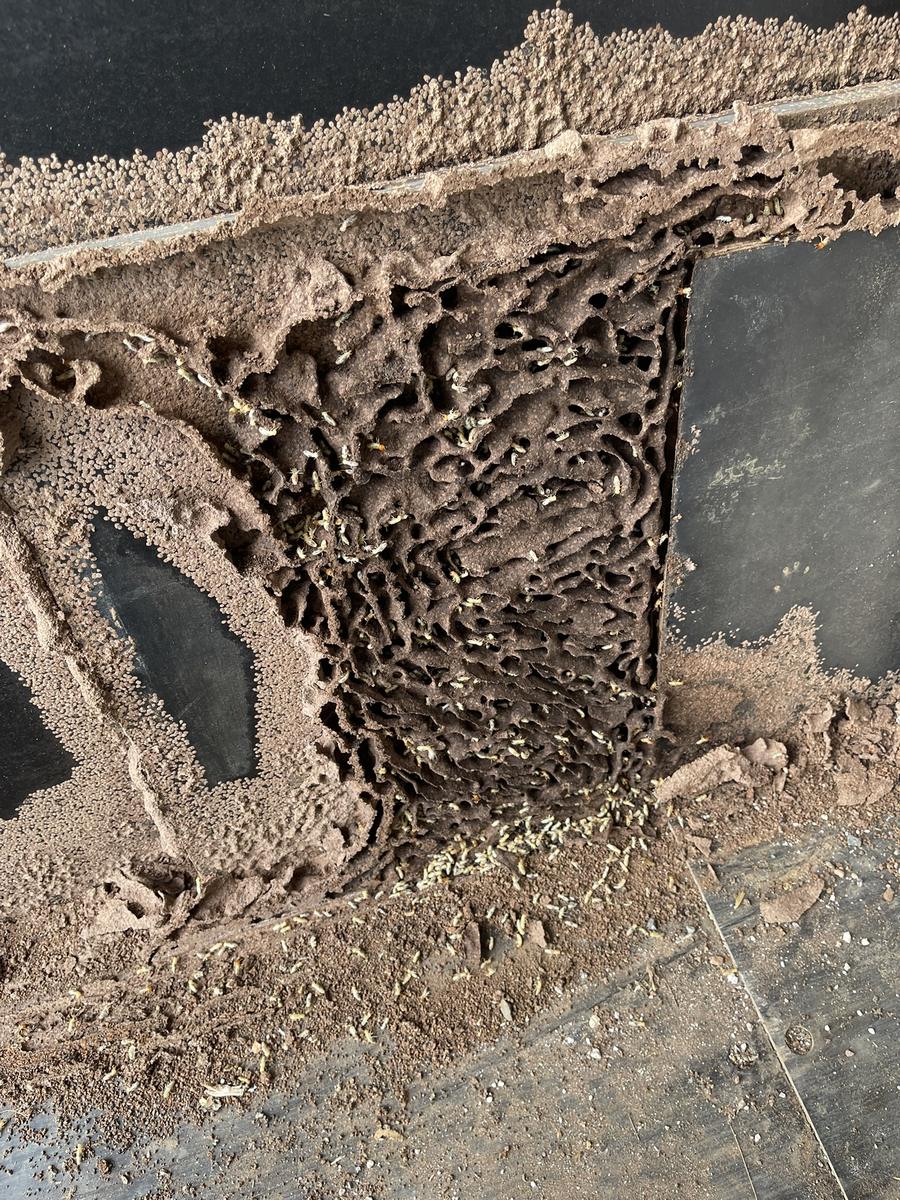
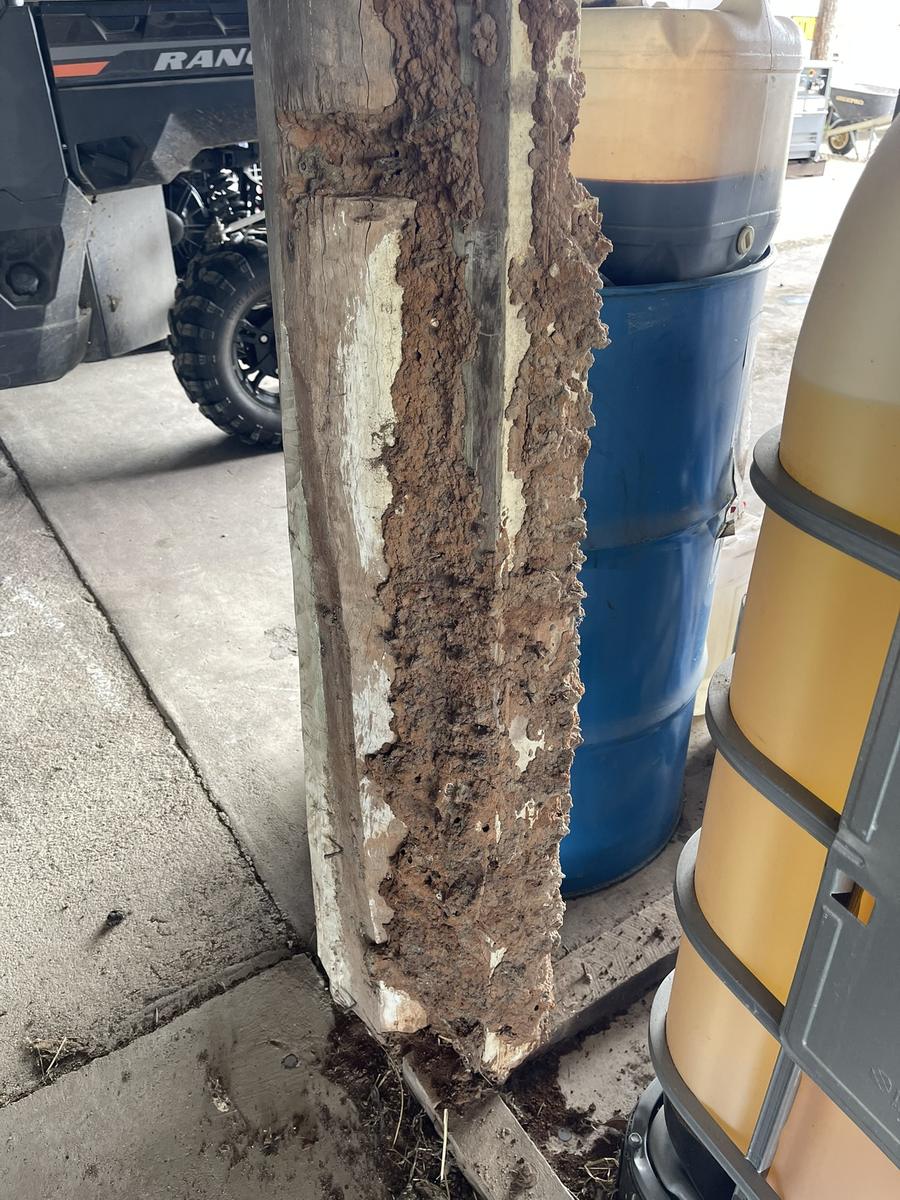
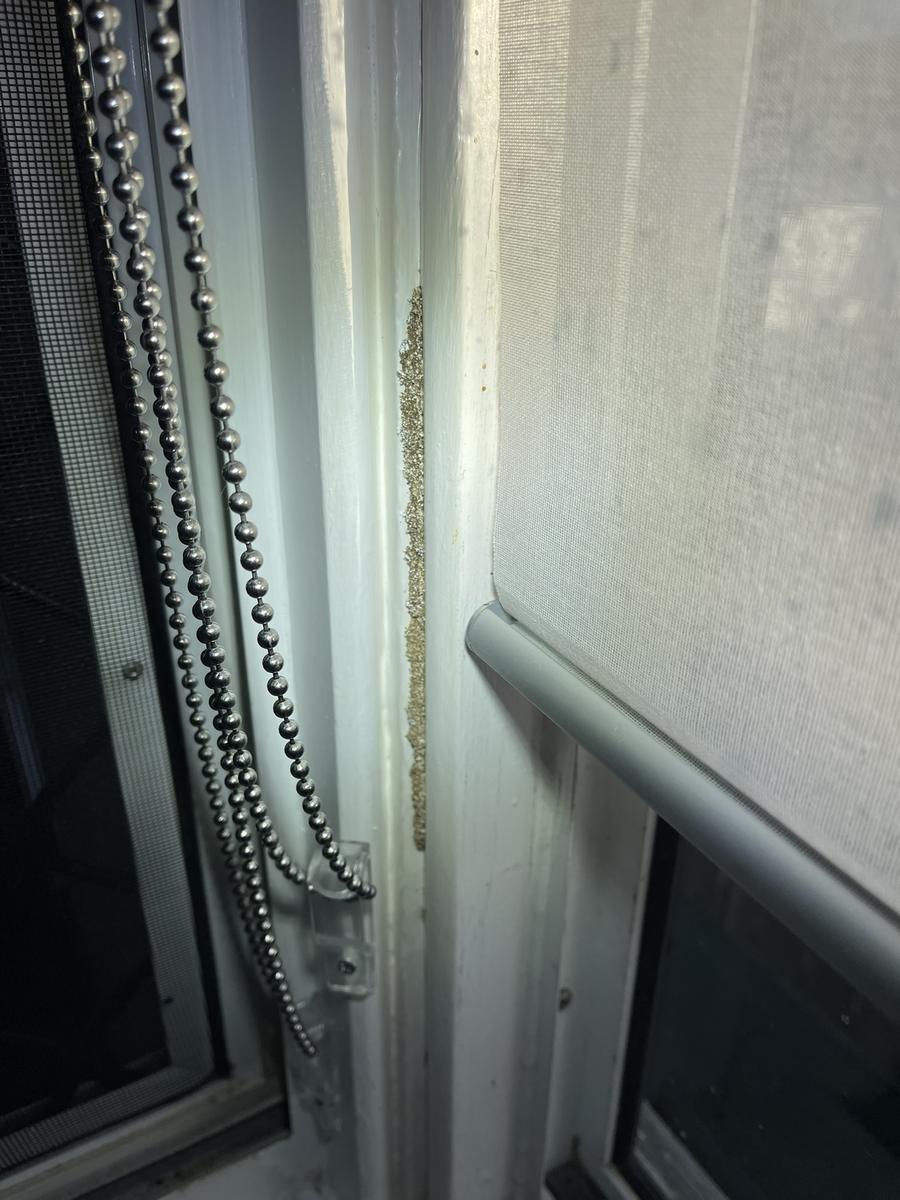
You should book active termite treatment Rockhampton support if you find signs that termites may already be inside or close to the structure. Common warning signs include live termites, mud shelter tubes, bubbling paint, tight doors or window frames, hollow timber, sagging skirting, visible timber damage, or unexplained moisture near timber.
Termite activity is often hidden. One visible sign can point to a larger issue behind walls, under floors, in roof voids, around slab edges, near gardens, close to fences, or around foundations.
In Rockhampton homes with accessible subfloors, roof voids, gardens, fencing, and slab edges, termites may use concealed paths before the damage becomes obvious. That is why a proper inspection matters before treatment is chosen.
Central Queensland’s warm conditions make termite risk an ongoing property issue, not a short seasonal concern. If you see a warning sign, waiting can allow termites more time to keep feeding or move into harder-to-access areas.
Do not disturb active termites if you find them. Avoid spraying them with household products, breaking open more timber, or removing mud leads before inspection. Sudden disturbance can change termite movement patterns and make it harder to assess the full problem.
If you are unsure whether a mark, tunnel, or damaged area is termite-related, call us and explain what you have found. We can tell you what to leave untouched and what to photograph before we inspect.
How We Choose Between Barriers, Baiting and Other Treatment Pathways
Local homeowners want clear answers on how inspection, risk assessment, treatment selection, and follow-up fit together. We do not offer a vague list of services and expect you to choose. We inspect first, then recommend the treatment pathway that fits the property.
Treatment selection depends on the infestation level, accessibility, building design, landscaping, moisture sources, and whether we can establish a continuous treated zone. We also inspect foundations, the exterior perimeter, and risk factors such as leaks and wood contact with soil.
Some homes need active colony treatment first. Others may need liquid barrier treatments, baiting systems, or a staged plan that combines immediate action with ongoing monitoring.
When a liquid termite barrier may be recommended
A liquid termite barrier may be recommended where a protective treated zone can be installed effectively around the structure. This is often suited to properties where long-term exclusion is a priority and access around the building allows the work to be completed correctly.
If a barrier is suitable, we explain the scope, access points, limitations, and what needs to be maintained around the property. You can also read more about termite barriers and how they fit into termite protection.
When termite baiting may be recommended
Termite baiting may be recommended where access is restricted, risk points are spread across the site, or monitoring is needed over time. Baiting systems can be useful where a standard barrier approach is not the best fit for the building or site conditions.
We can explain whether termite baiting systems are suitable after we inspect the property and assess activity, layout, and risk points.
When ongoing monitoring matters most
Ongoing monitoring matters when there has been active termite activity, when the property has ongoing moisture or access concerns, or when several risk areas are present.
Follow-up helps confirm whether activity has been addressed and gives you practical steps to reduce future risk.
When to Call Us in Rockhampton
Call us if you have found live termites, unexplained timber damage, mud leads, bubbling paint, hollow-sounding timber, moisture near timber, or damage around skirting, flooring, fences, gardens, or slab edges.
You should also call before renovating, buying, selling, or if it has been too long since your last termite inspection. Renovations can uncover hidden damage, and property decisions are easier when you know what is happening before work or settlement progresses.
You do not need to know which treatment you need before contacting us. That is our job. We inspect, explain the findings in plain language, and recommend the next step based on the site.
For active termites or sudden discoveries, call now so we can discuss what you have found and arrange an inspection. For high-risk homes or properties in areas such as Frenchville, Norman Gardens, and Gracemere, you can book a termite inspection as a planned step before problems become obvious.
We are locally based in Rockhampton, rated 5.00 stars on Google, and available Monday to Sunday from 7am to 8pm. Call +61 490 304 848 to speak with us.
Our Termite Treatment Process from Inspection to Follow-Up
Our termite process is built to give you clear findings, the right treatment recommendation, and practical follow-up. You should know what has been checked, what we found, what we recommend, and what happens after treatment.
Step 1: Call and initial assessment
When you call, we ask what signs you have noticed, where they are located, and whether you have seen live termites, mud leads, damage, or moisture. We also ask about the property type, access, and urgency.
This helps us understand whether you may be dealing with active termites or a broader termite risk issue. If you have found live termites, we may advise you not to disturb the area before inspection.
Step 2: Property inspection and detection
We inspect accessible subfloors, roof voids, interior and exterior areas, and around foundations. We look for termite activity, damage, entry points, moisture issues, and risk factors such as leaks or timber contact with soil.
Where needed, we use thermal imaging and moisture detection tools to support the inspection. These tools help us assess areas that may not be obvious from a visual check alone.
Step 3: Treatment recommendation
After the inspection, we explain the findings in plain language. We identify active termites, termite damage, risk conditions, and any areas that need attention.
We provide detailed digital reports with findings, recommendations, and photographs where necessary. Your treatment strategy may include liquid barrier treatment, baiting systems, direct active treatment, or a staged approach.
Our recommendations are customised treatment strategies, not one-size-fits-all packages.
Step 4: Treatment application
Once the treatment pathway is agreed, we carry out the work using safe, effective termiticides and current application techniques.
The treatment may involve liquid barrier treatments, baiting systems, or targeted work to address active termite areas first. We explain what we are doing and why, so you know how the treatment fits the inspection findings.
Step 5: Monitoring and next steps
After treatment, follow-up visits and monitoring can help confirm what is happening on the property and support longer-term protection planning.
We also explain practical next steps. That may include monitoring, reducing moisture, removing timber-to-soil contact, maintaining access, or planning future inspections based on the property’s risk.
Found live termites or fresh damage? Contact us today to arrange a Rockhampton termite inspection and treatment recommendation.
Pricing Drivers for Termite Treatment in Rockhampton
Termite treatment pricing depends on the property and the inspection findings. We do not give generic flat figures because two homes with similar symptoms can need very different treatment scopes.
The main pricing drivers include:
- Size of the home
- Slab construction or subfloor access
- Extent of termite activity
- Single active area vs multiple activity zones
- Treatment method selected
- Number of risk areas around the property
- Straightforward perimeter access vs obstructed paths and landscaping
- Whether follow-up monitoring is required
- Amount of labour and materials needed for perimeter work
Properties with difficult access, multiple activity points, or extensive perimeter work can involve more time, planning, and materials. A home with one accessible active area may need a different approach from a property with activity across several zones and blocked perimeter access.
If a barrier is part of the recommended strategy, you can learn more about termite barriers before we talk through the specific scope for your home.
The best next step is to book an inspection so we can explain what is needed, what is included, and why.
Areas We Cover Across Rockhampton and Central Queensland
We service Rockhampton and Central Queensland, including Rockhampton, QLD 4700 and nearby areas such as Gracemere, Norman Gardens, Frenchville, Koongal, Park Avenue, Port Curtis and Alton Downs.
Being local matters. Homeowners want a team familiar with the area, local property types, and year-round termite pressure. We provide termite control Rockhampton residents can discuss directly with a local team, rather than a generic statewide call centre.
You can find more detail for key local areas here:
- Termite Treatment Rockhampton
- Termite Treatment Gracemere
- Termite Treatment Norman Gardens
- Termite Treatment Frenchville
- Termite Treatment Koongal
If you are outside the Rockhampton centre, call us to check availability across the wider Central Queensland service area. We can let you know whether we can assist and what the best inspection pathway looks like for your property.