General pest control
Pest Control Rockhampton
Cockroaches, ants, spiders, rodents and recurring pest pressure around Rockhampton homes, rentals and businesses.
View service details
Termites, cockroaches, ants, rodents and buyer pest checks for Rockhampton homes, rentals and local businesses.
We service Rockhampton and the greater CQ.
Choose the closest sign and go straight to the service that fits. If you have found live termites, leave the area undisturbed and call.
Call Insight nowMud tubes, wings, soft timber, bubbling paint or live termites.
Book a termite inspectionCockroaches, ants or spiders returning around kitchens, wet areas, patios or doors.
Find the source of repeat pestsRoof, wall, shed or garage noise, droppings, smells or chewed material.
Get help with rodentsContract deadline, building report concern, old timber or pest evidence.
Book a buyer pest inspection
We bring 10 years of pest and termite experience to every home, rental, business and property inspection. You deal directly with our local team, and we explain what we find, what we recommend and what happens next.
These are real examples of termite activity, roof-void treatment, wasp nesting and ant trails. If you have found something similar, call Insight and we’ll help work out whether you need an inspection, treatment or prevention advice.
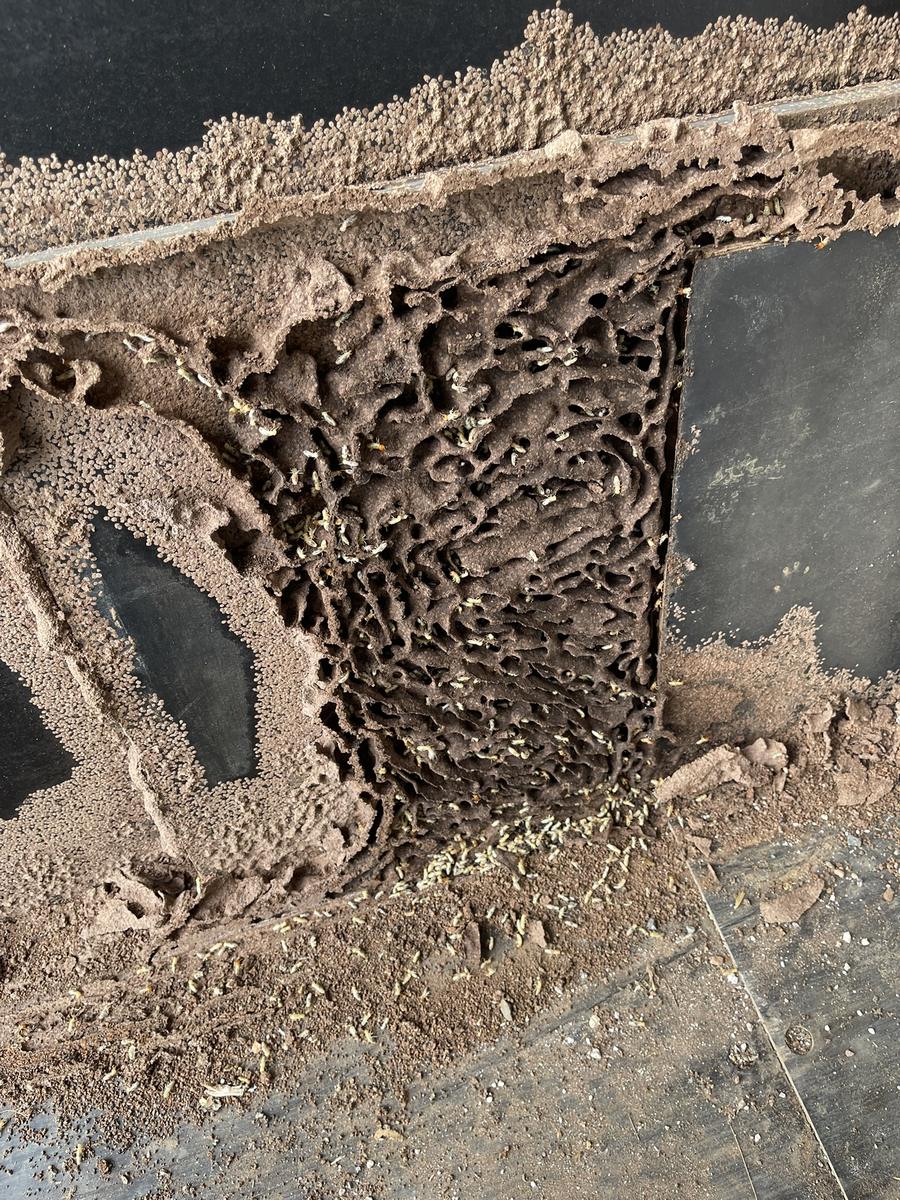


Choose the service you need below. We explain the inspection, treatment and prevention options clearly, then tailor the work to your property.
Cockroaches, ants, spiders, rodents and recurring pest pressure around Rockhampton homes, rentals and businesses.
View service detailsAccessible termite checks, moisture observations and clear digital reports for owners, buyers and sellers.
View service detailsInspection-first treatment advice for live termites, mud tubes, damaged timber and termite-risk conditions.
View service detailsPest and termite findings for Rockhampton buyers working around contract and settlement deadlines.
View service detailsInspection-led pest control for shops, offices, storage areas, industrial sites and local business premises.
View service detailsAnt trail, nesting and entry-point checks for kitchens, patios, garden edges and recurring activity.
View service detailsCockroach control for kitchens, wet areas, appliances, cupboards, rentals and repeat sightings.
View service detailsRodent checks for roof voids, sheds, garages, food storage, entry gaps and suspected rat or mouse activity.
View service detailsSpider and web control around eaves, patios, sheds, gardens, fences and indoor corners.
View service detailsDo not disturb the area. We inspect the activity before recommending treatment.
Tell Insight what is happening, let the property conditions guide the inspection, then match the treatment and prevention plan to the source.
Choose the pest, suburb and urgency so the right job type is clear.
The property can be checked for likely entry points, moisture risks and visible activity.
We match the treatment to the pest and property conditions.
You get practical guidance for reducing repeat activity around the property.
We service every location listed here across Rockhampton, the Capricorn Coast and wider Central Queensland.
Rockhampton, Gracemere, Norman Gardens, Frenchville, Koongal, Park Avenue, Berserker, Allenstown, The Range, Wandal, Kawana and Parkhurst are the main metro zones people ask about.
See what a Rockhampton termite inspection checks, which areas may be limited and what the findings should help you decide.
Read guideLearn what affects termite inspection cost in Rockhampton, what to confirm in a quote and why scope and access matter more than a headline price.
Read guideLearn what affects termite inspection time, how access changes the appointment and how to prepare without hiding or disturbing evidence.
Read guideLearn how to read a termite inspection report, separate findings from limitations and turn recommendations into clear next steps.
Read guideQuestions Rockhampton property owners search before they book, covering costs, preparation, termite signs, treatment options, specific pests, buyers, rentals and wet weather.
Get your pest treatment planPricing factors, treatment timing, preparation, re-entry and repeat pest activity.
Pest-control pricing depends on the pest, property size, access, infestation level, treatment areas and whether follow-up is needed. Send the pest, address and urgency so Insight can quote the actual job instead of giving you a meaningless generic number.
Many pest-control jobs are quoted around the property, pest and treatment scope rather than a simple hourly rate. Access, severity, preparation, products and follow-up can all change the work involved.
A full-house treatment is not one fixed package for every property. The price changes with house size, pest pressure, internal and external areas, roof or subfloor access and the pests being targeted.
Some properties only need treatment when a problem appears, while others need regular attention because of recurring cockroaches, ants, spiders, rodents, moisture, food sources or seasonal pressure. The right schedule depends on the property and pest history.
Treatment time depends on the pest, property size, access and treatment areas. A focused job may be quicker than a whole-property inspection and treatment. Insight can give you a clearer expectation after reviewing the property details.
Preparation varies by treatment. You may need to provide access to problem areas, put away exposed food, identify pet or children areas and mention fish tanks or sensitive rooms. Follow the technician’s instructions for the treatment being used.
That depends on the treatment and the areas being treated. Ask about preparation, drying time and re-entry before work begins, and mention children, pets, fish tanks and sensitive occupants.
Safety advice must match the product, treatment area and household. Tell the technician about children, pets, fish tanks, food areas and sensitivities so they can explain the correct preparation and re-entry instructions.
Repeat activity can mean the source, nest, harbourage, food, water or entry point is still present. Good pest control looks beyond the visible pests and considers where they are feeding, breeding, hiding or entering.
There is no single hardest pest for every property. German cockroaches, termites, rodents and established ant colonies can all be difficult when the source is concealed or access is limited. Correct identification and treatment planning matter more than the label.
We service Rockhampton, Gracemere, the Capricorn Coast, Gladstone, the Central Highlands and communities across Central Queensland.
Your pest, address and urgency help us decide whether you need an inspection, treatment, preparation advice or a conversation about the property. We then explain the likely scope and booking details.
Warning signs, inspection scope, costs, treatment options, baiting and DIY questions.
Do not spray, break open the timber or disturb the activity. Take a photo if it is safe, note the exact location and request termite advice so the area can be assessed before treatment decisions are made.
Warning signs include mud tubes or leads, hollow or damaged timber, blistered paint or surfaces, soft flooring, tight doors, discarded wings and visible live termites. Some activity remains concealed, so visible signs are not required before an inspection is useful.
Yes. Termites can travel through concealed areas and behind finished surfaces before obvious damage appears. Moisture, timber contact, previous activity and inaccessible areas can increase the need for a professional inspection.
You may still benefit from an inspection because termite activity can stay hidden. Inspection is especially relevant when buying, when the property has moisture or timber-contact risks, or when there has been previous termite activity.
A termite inspection checks accessible internal and external areas for active termites, previous evidence, visible damage and conditions that can increase risk. The exact scope depends on access, construction and the areas that can be inspected safely.
The time depends on the property size, construction, access and the number of risk areas. Highset homes, roof voids, subfloors, sheds, wet areas and restricted spaces can change the inspection time.
The cost depends on property size, construction, access, inspection scope and reporting requirements. Request a property-specific quote so you know what areas and reporting are included.
Inspection frequency depends on the property, construction, moisture, surrounding timber, previous activity and any termite-management system. Ask for a schedule suited to the property rather than assuming one interval fits every home.
Household sprays may kill the termites you can see without dealing with concealed activity or the wider colony. Disturbing or spraying the area can also make assessment harder. Leave the activity intact and arrange inspection before choosing treatment.
Treatment cost depends on the activity, affected areas, property construction, access, treatment method, perimeter or barrier scope and follow-up needs. An inspection is usually needed before the right treatment can be scoped.
Repair cost varies enormously because it depends on where termites have travelled, the materials affected and how early the activity is found. That is why inspection and early assessment matter more than relying on a generic damage figure.
No. Active treatment, barriers, baiting and monitoring solve different parts of the problem. The right recommendation depends on the termite activity, construction, access, moisture and existing termite-management measures.
Baiting can suit some properties and termite situations, particularly where monitoring and colony-focused treatment are appropriate. It requires correct placement, inspection and follow-up; it is not automatically the best option for every building.
Bait stations can be part of a termite-management plan, but performance depends on termite activity, placement, monitoring and follow-up. The property should be assessed before relying on bait stations as the only response.
The most appropriate system depends on the termite situation and how it will be installed, inspected and maintained. Product choice should follow the inspection and the product label rather than a generic online ranking.
DIY products may affect visible insects or provide limited protection when used exactly as labelled, but they do not replace assessment of concealed activity, entry points, damage or the broader property risk. Avoid disturbing active termites before inspection.
A ten-year claim can refer to a product, installation, warranty or management-system term, each with different conditions and inspection requirements. Read the exact documentation and do not assume it means the property needs no inspections or maintenance.
Questions about recurring cockroaches, roof rodents and spider treatment around the property.
Cleaning removes some food sources but may not remove harbourage, moisture, warm appliance spaces, drains, cracks, egg cases or entry points. Recurring activity usually needs closer inspection of where the cockroaches are living and moving.
Cockroach treatment cost depends on the species, infestation level, property type, treatment areas and follow-up. A light household issue is different from established activity across a kitchen, cafe or rental property.
No honest treatment can promise that cockroaches will never return. Long-term control depends on treating the current activity and reducing harbourage, food, water and entry conditions that allow the problem to restart.
Call when you hear repeated scratching, find droppings or gnaw marks, notice smells, see damaged packaging or suspect activity in roof voids, walls, sheds or garages. Early inspection can help identify entry points before the problem grows.
Common signs include scratching sounds, droppings, gnaw marks, smells, damaged food packaging, chewed materials and activity around roof voids, sheds, garages or stored goods.
Spider control can treat active spiders and common harbourage areas, but lasting improvement also depends on webs, insects that spiders feed on, outdoor edges, storage, gaps and the species involved.
Pricing depends on property size, indoor and outdoor treatment areas, access, spider pressure and whether sheds, fences, eaves or other structures are included.
Reduce webs and clutter, seal practical gaps, manage insects that provide food and check eaves, outdoor furniture, sheds and stored items. Persistent activity may need targeted treatment of harbourage and entry areas.
Pre-purchase inspections, rental responsibilities, commercial service and post-rain pest activity.
Yes. A pre-purchase pest inspection can help buyers understand visible timber-pest evidence, risk conditions and areas that may need further investigation before a contract deadline or final decision.
No. Insight’s service is focused on pest and timber-pest evidence and is not a building inspection. Buyers may need separate building and pest professionals depending on the property and contract requirements.
The inspection findings can help you ask clearer questions about activity, visible damage, access limitations, treatment and further assessment. Contract and purchasing decisions should be discussed with the appropriate property and legal advisers.
Responsibility can depend on the cause, timing, tenancy agreement and circumstances. Tenants, landlords and property managers should document the issue and check current Queensland tenancy guidance rather than relying on a generic rule.
Yes. The right schedule depends on the business type, pest risks, access, operating hours, records required and previous activity. Share the site type and problem so Insight can discuss a suitable service scope.
Rain and moisture can change termite, ant, cockroach and rodent activity around a property. Check wet areas, drainage, timber contact, roof or wall activity and new insect swarms after heavy weather.
Warm, humid conditions can trigger winged ants or termite alates to swarm. Keep a sample or clear photo if safe, avoid disturbing suspected termite activity and request identification if you are unsure.
Send the pest, suburb and urgency. We will recommend the inspection or treatment that fits your property.